





Brake Warning Lights Explained: What to Do Before It Becomes a Bigger Repair
Seeing a brake warning light can be stressful, especially if it pops up during your commute or right before a weekend trip. The good news is that some brake-related lights are simple to fix, but others are a sign you should stop driving and get the vehicle checked right away.
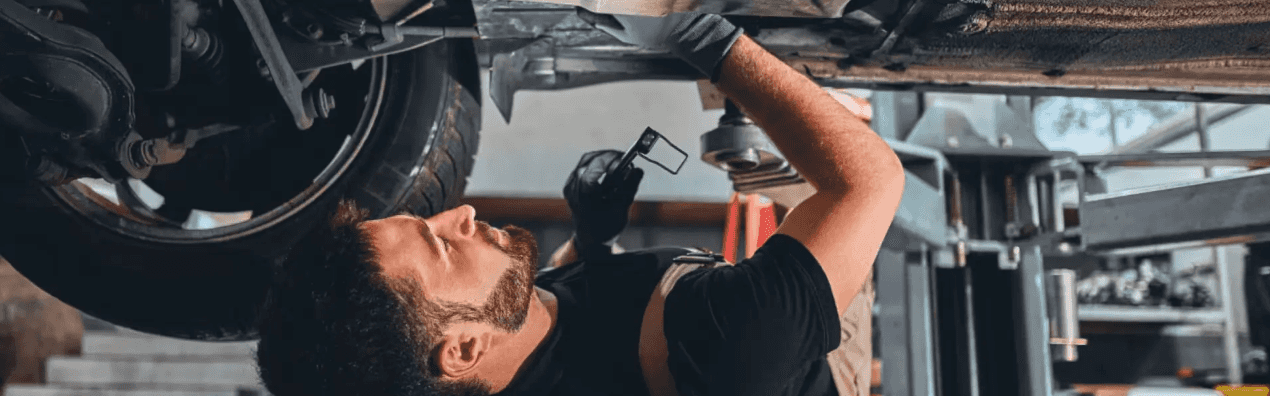
This guide breaks down the most common brake warning lights, what they usually mean, and what to do next for Covert CDJR Bee Cave drivers in Austin and Bee Cave.
Quick Brake safety check
Use this as your first decision point.
If the brake light is red
Treat a red brake warning like urgent.
Stop driving and get help if you notice:
-
the brake pedal feels soft, spongy, or goes closer to the floor than normal
-
the vehicle pulls when braking
-
grinding, metal-on-metal noises, or vibration when braking
-
a burning smell near a wheel
-
visible fluid leaking near a tire
If any of the above happens, pull over somewhere safe and arrange for a tow or service inspection.
If the brake light is amber or yellow
This usually means a system needs attention soon, but it is often still safe to drive carefully for a short time.
Examples: ABS light, traction/stability alerts that stay on, certain electronic parking brake warnings.
Common brake warning lights and what they mean
Dash icons can vary by Chrysler, Dodge, Jeep, and Ram models, but these are the most common.
Brake system warning light
Often a red “BRAKE” light or a circle with an exclamation mark.
Usually points to:
-
parking brake engaged or not fully released
-
low brake fluid
-
a hydraulic braking system issue that needs inspection
If this light is red and stays on while driving, do not ignore it.
ABS light
Amber “ABS” icon.
What it typically means:
-
Your normal brakes can still work, but the anti-lock braking system may be disabled until repaired.
This is a “service soon” warning. If it appears along with a red brake light, treat it as more urgent.
Traction control or stability control light
Often a car with squiggly lines.
Important distinction:
-
If it flashes briefly, it can be normal while the system is actively helping with traction.
-
If it stays on, there may be a stored fault, sometimes related to an ABS sensor or wheel speed sensor.
Electronic parking brake warning
Often a “P” icon inside a circle, or an electronic parking brake message.
Usually points to:
-
parking brake still engaged
-
a sensor or switch issue
-
a system fault that should be diagnosed
If the parking brake seems stuck on, do not force it. Get it inspected.
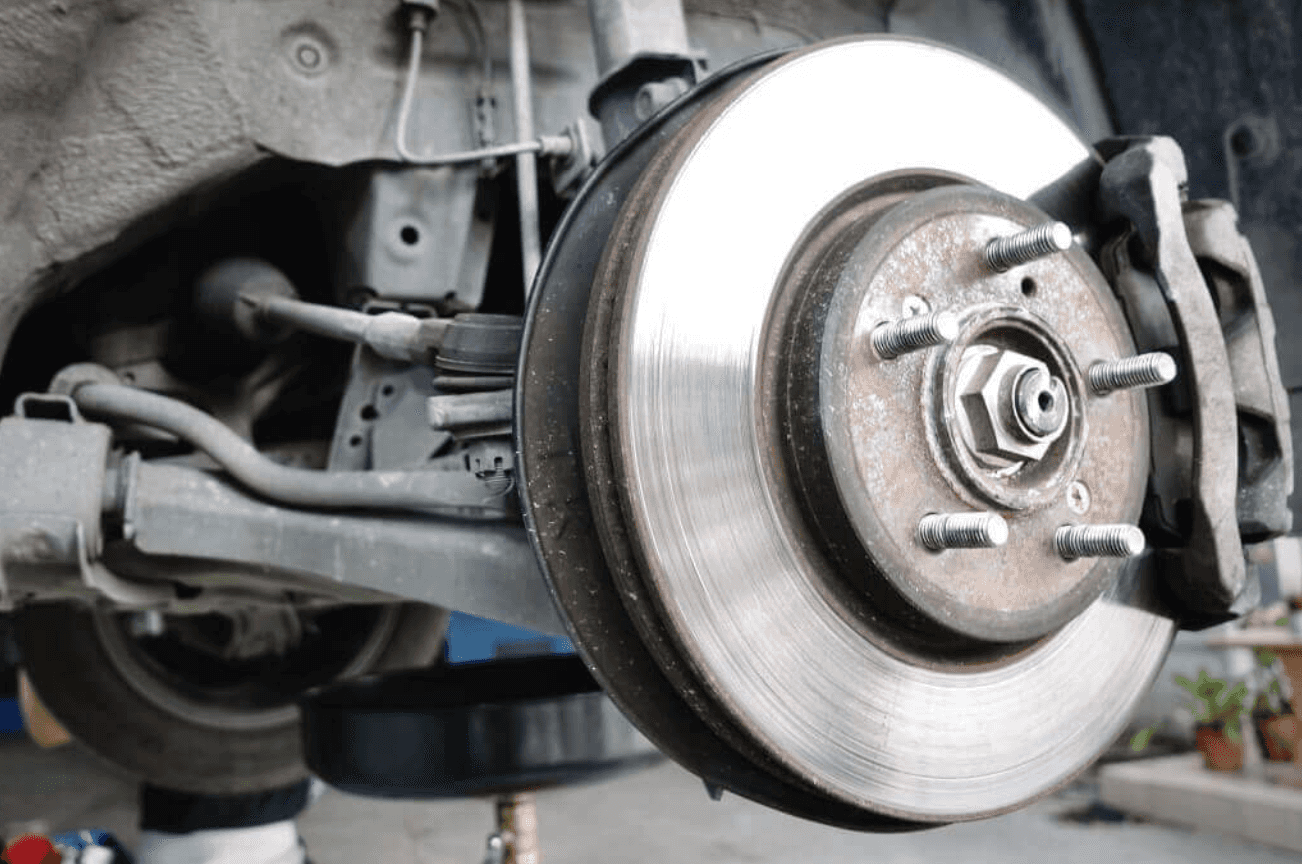
Brake pad wear message or indicator
Some vehicles will display a message when pads are worn, or you may hear a high-pitched squeal from a wear indicator.
Usually points to:
-
brake pads near the end of their life
-
rotors that may need resurfacing or replacement depending on wear
What you can check right now
These quick checks can help you decide what to do next.
-
Confirm the parking brake is fully released
Even slight engagement can trigger a warning. -
Pay attention to how the vehicle feels
Soft pedal, pulling, grinding, or vibration are more important than the light itself. -
Check brake fluid level if you can safely do so
If it is low, do not assume topping it off solves the problem. Low fluid can be a sign of pad wear or a leak that needs inspection. -
If you recently had brakes serviced, note it
A sensor, connector, or calibration issue can sometimes cause lights after recent service.
When it is safe to drive and when to stop
Usually safe to drive carefully to service soon
-
ABS light on by itself
-
traction or stability light stays on, but braking feels normal
-
parking brake warning that clears and stays off after release
Stop driving and get it checked right away
-
red brake system light stays on
-
brake pedal feels unsafe
-
grinding noises or strong vibration under braking
-
signs of leaking fluid near a wheel
When in doubt, treat brake warnings as safety-first. A small repair is almost always less expensive than waiting until pads wear through or a hydraulic issue worsens.
What a brake inspection typically includes

A proper brake inspection is more than a quick glance at pads.
A technician will usually:
-
measure brake pad thickness and check rotor condition
-
check calipers, lines, and hoses for leaks or damage
-
inspect brake fluid condition and level
-
scan for ABS or brake system codes when warning lights are present
-
confirm warning lights reset properly after repair
Ways to save on brake service
dIf a warning light is on, it is a good time to check current offers. You can route value-minded readers directly to:
Brake Service FAQs at Covert CDJR Bee Cave
What does the brake warning light mean if my brakes feel normal?
It can be as simple as the parking brake not fully releasing, but it can also point to low fluid or a stored brake system fault. If it stays on, schedule an inspection.
Can I drive with the ABS light on?
Often yes, but your ABS may be disabled. Drive cautiously, leave extra stopping distance, and get it diagnosed soon. If the red brake light also comes on, stop driving.
Why did my brake light come on after I replaced brake pads?
Sometimes it is a sensor issue, a connector that needs reseating, or a system that needs a reset after service. If the light remains on, it should be checked with a scan and inspection.
Does low brake fluid always mean a leak?
Not always. As pads wear, fluid level can drop slightly. But low fluid can also indicate a leak, which is why it is important to inspect the system rather than just topping off.
When should I get my brakes inspected if I hear squealing?
Soon. Squealing can be a wear indicator that pads are getting low, or it can be debris. If the sound becomes grinding, stop driving and get service immediately.
0 comment(s) so far on Brake Warning Lights Explained: What to Do Before It Becomes a Bigger Repair